A KID IS A IS A KID IS A KID
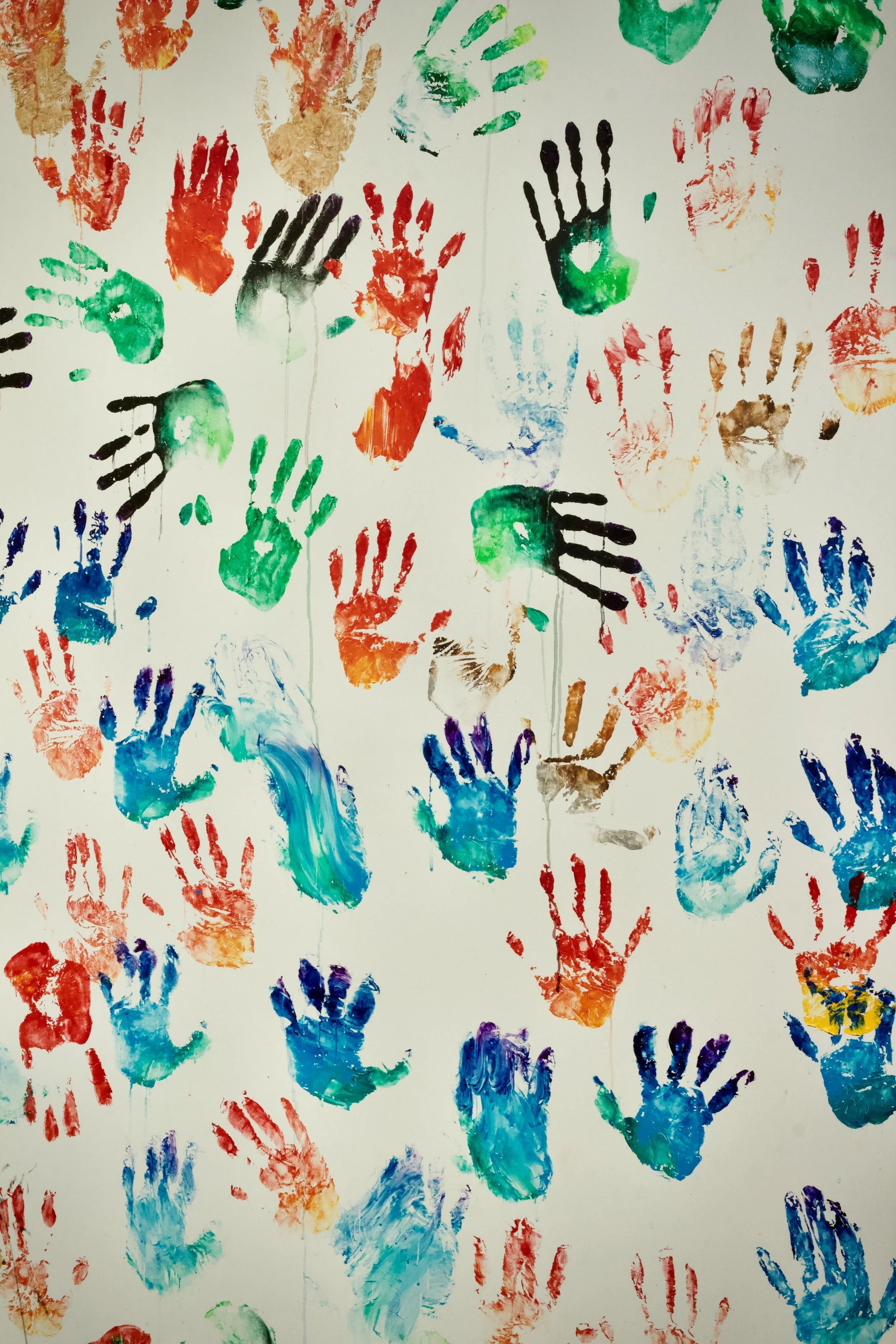
Not everything about Justin is an unknown. Twelve years into my career I became burned out teaching in high schools. When I decided to move to a different age level, I had to interview for positions for the first time in far too many years. My last interview, for a high school position, had been a formality. I was hired quickly because the interviewers were drooling over two facts:
A graduate degree in “Emotional/Behavioral Disabilities”
A warm body willing to work with older students
I was ill-prepared for the interview process when I made the switch, and too obtuse to have properly researched current interview processes. At the end of my second interview for an elementary school position, a principal asked, “What is your philosophy of education?”
I suppose it wasn’t an unusual question; it was simply one I hadn’t been asked before. When he asked the question, I froze. Uncomfortable silence. Edges of panic seeping in. Then a truth came to my rescue, a truth I hold dear: “A kid is a kid is a kid.”
A kid with autism
A kid with a learning disability
A kid with Down syndrome
A kid with brown hair
A kid with green eyes
What do they have in common? First and foremost, being a kid. A child is a child first, special second. Most of the behaviors we encounter have nothing to do with autism, learning disabilities, or any other label. Most of the time it’s the same reaction, the same behavior, that would be present with any other child in the same circumstances. It’s a truth not dependent on age. It doesn’t matter if they have differing abilities. Most children react the same way to fear, anger, frustration, reprimands, or feeling threatened. They are equally susceptible to triggers of hunger, tiredness, and overstimulation. The list of universal actions and reactions shared by children is endless. What children have in common is a far deeper well than what they do not.
A child is a child first, special second.
Order The Book
FOLLOW ON BOOKBUB >
FOLLOW ON GOODREADS >